Lab Reports & Certificates of Analysis
Access third-party laboratory test results and certificates of analysis (COA) for all our research peptides. Each batch is tested for purity, potency, and safety.
What is a Certificate of Analysis?
A Certificate of Analysis (COA) is an independent laboratory document that verifies the quality, purity, and composition of a product. Our COAs include HPLC analysis, mass spectrometry data, and purity verification performed by accredited third-party laboratories.
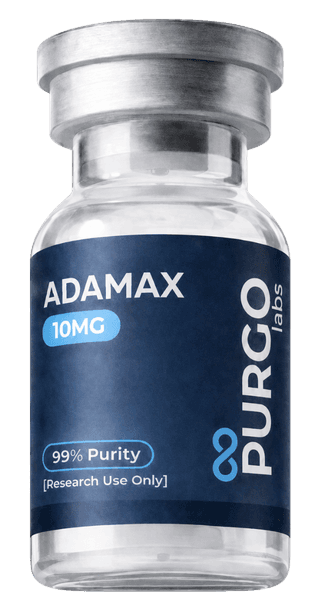
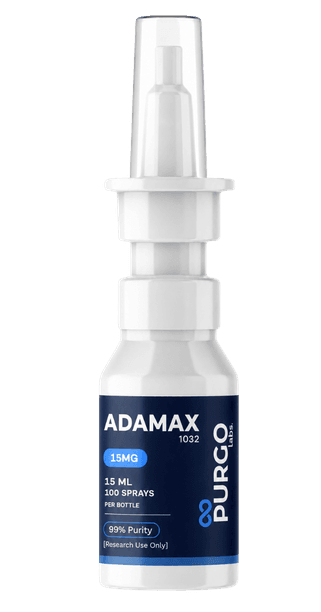
Adamax Spray (1032) ships as a liquid research spray formulation with 15mg in 15mL antimicrobial preserved water, 150mcg per spray, and a 100-spray bottle format.
Certificate of Analysis
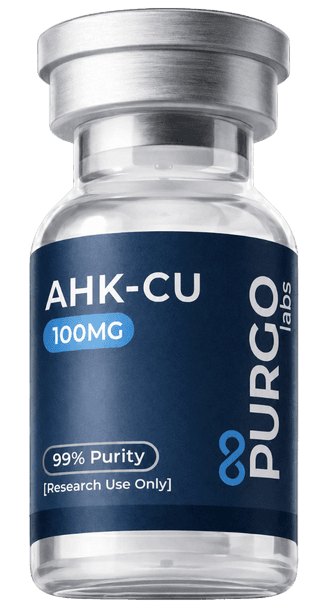
AHK-Cu (100mg) copper tripeptide research compound supplied as a lyophilized peptide for laboratory studies.
Certificate of Analysis
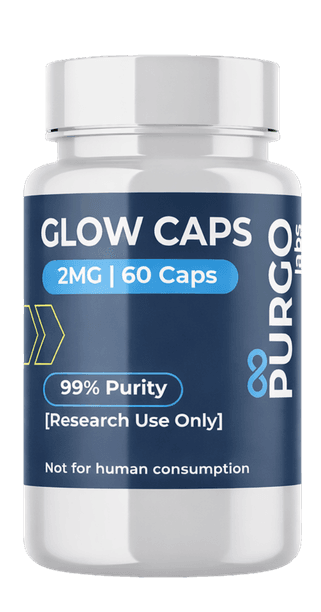
2MG capsules, 60 count per container for research use.
Certificate of Analysis
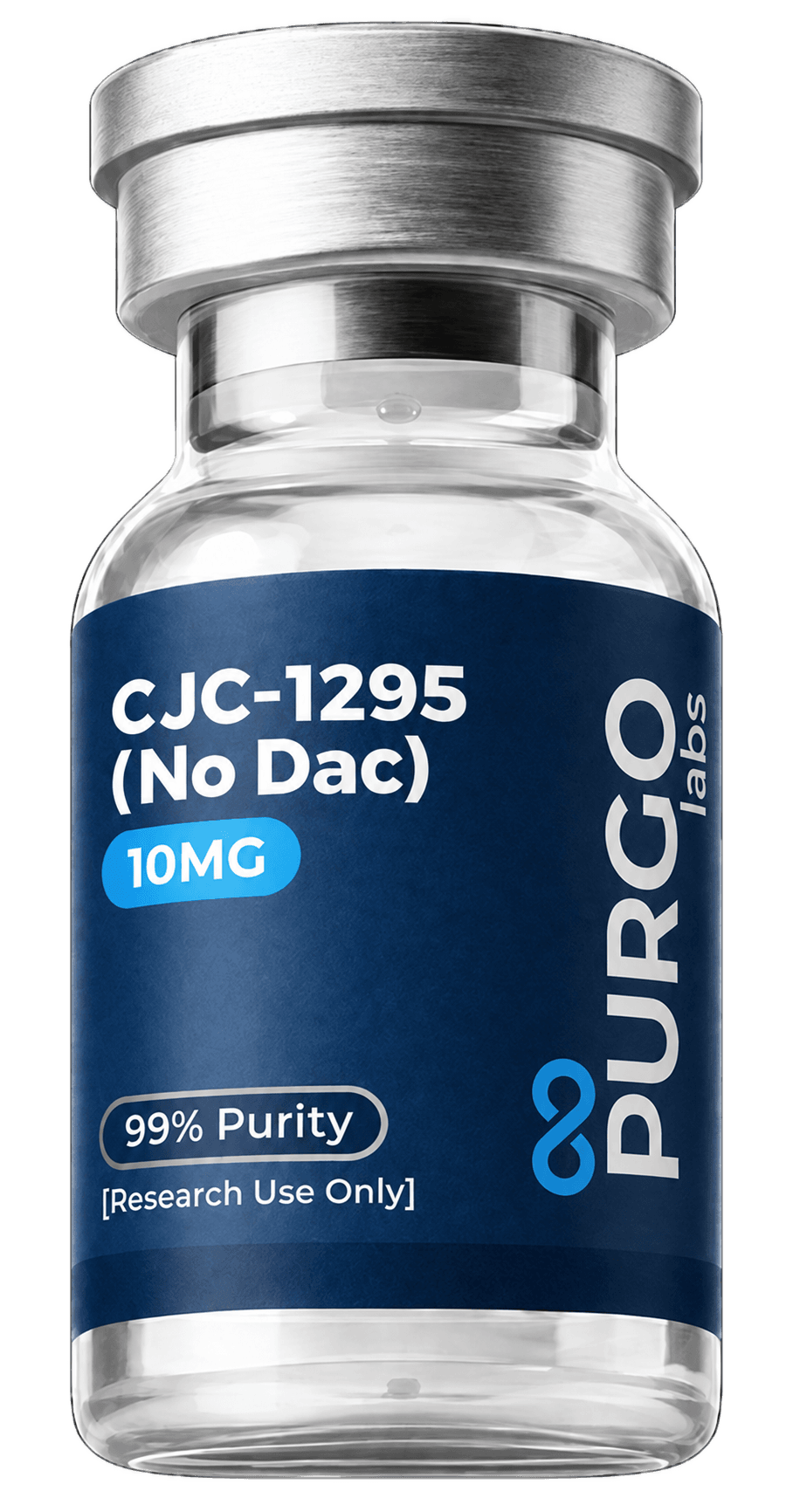
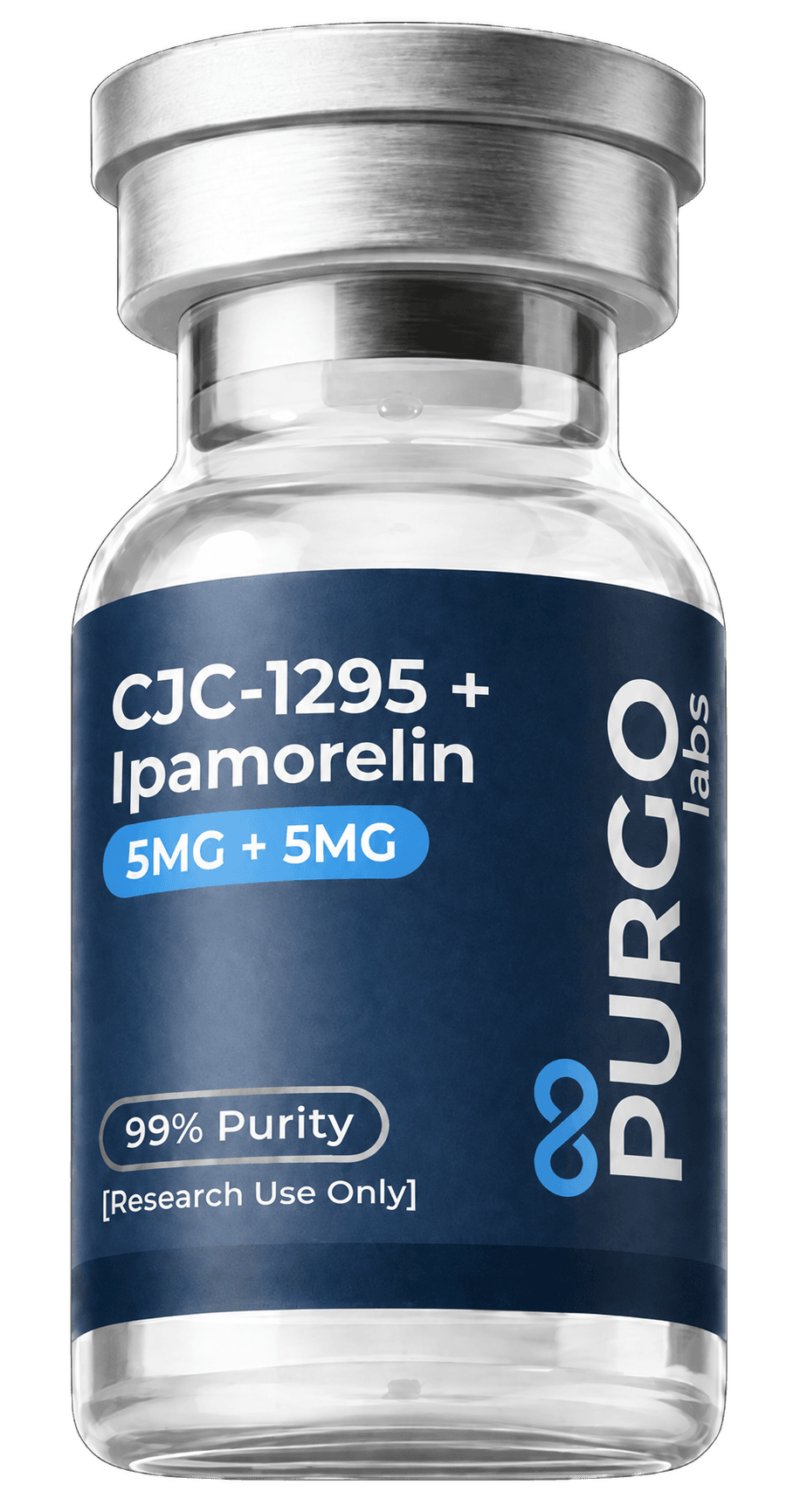
Dual peptide blend with 5mg CJC-1295 + 5mg Ipamorln per vial for research use.
Certificate of Analysis
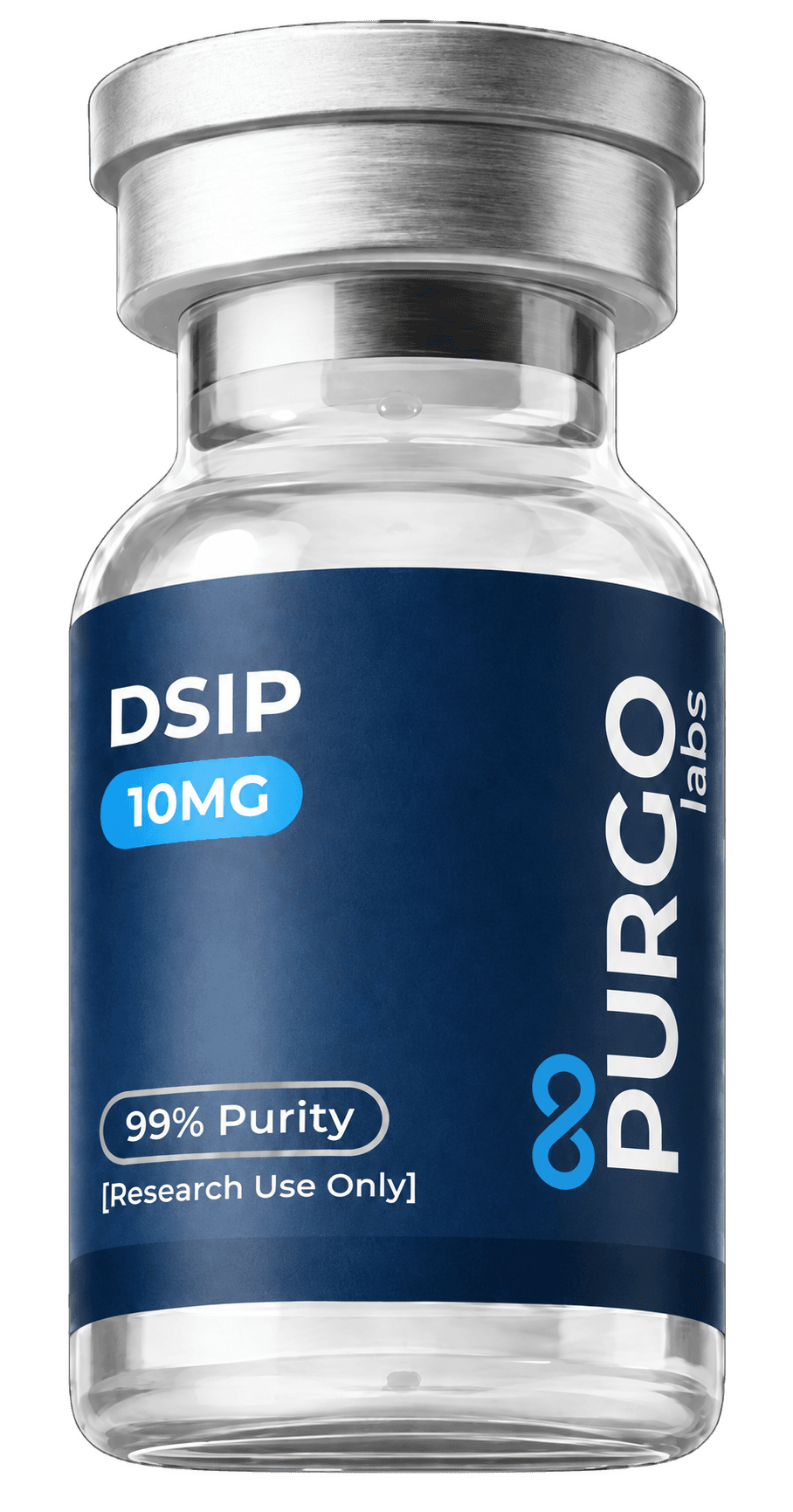
DSIP/Pinealon ZZZ Blend peptide spray, 10mg. 7mcg per spray. Ships in a spray bottle and does not require reconstitution.
Certificate of Analysis
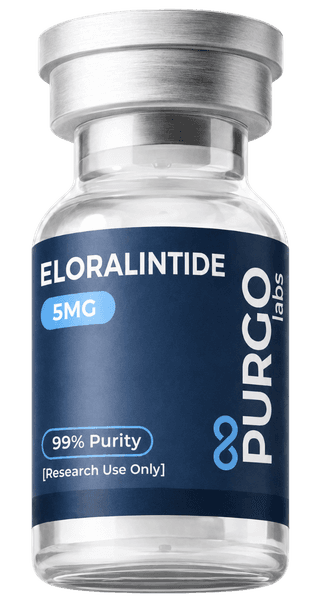
Eloralintide (5mg) in a 3ml vial for metabolic and appetite-pathway research.
Certificate of Analysis
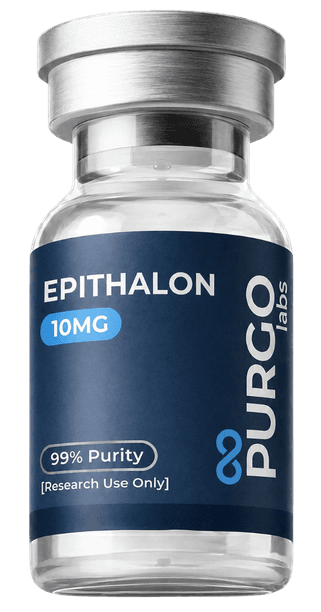
Epithalon (10mg) lyophilized research peptide vial for laboratory aging and telomere-pathway studies.
Certificate of Analysis
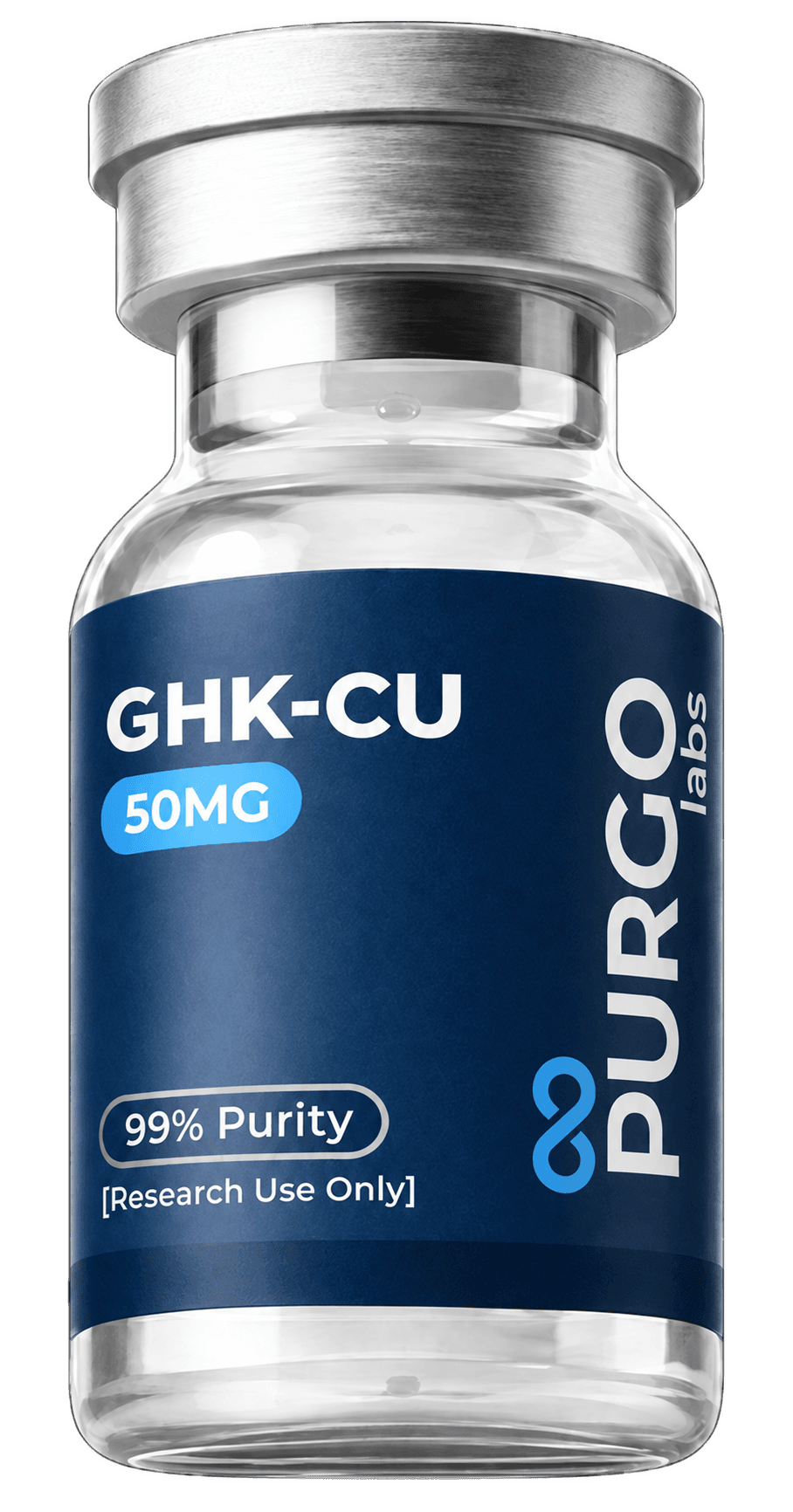
Copper-binding tripeptide complex for extracellular matrix and tissue-response research.
Certificate of Analysis
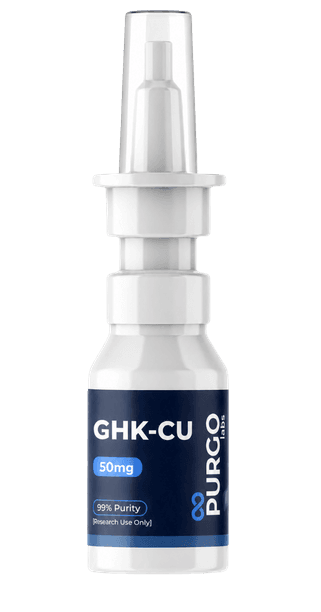
GHK-CU research peptide spray solution, 50mg. Ships in a spray bottle and does not require reconstitution.
Certificate of Analysis
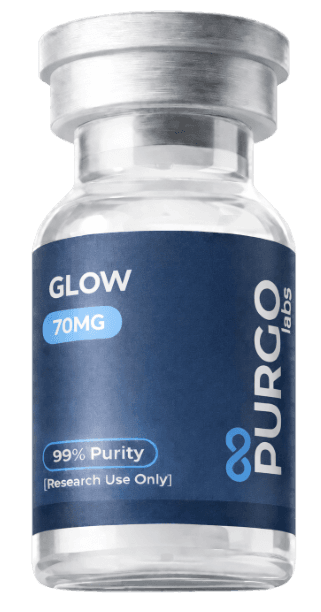
Skin health research complex with GHK-Cu, BPC-157 & Thymosin Beta 4
Certificate of Analysis
%20(612%20x%20321%20px)%20(321%20x%20612%20px)%20(2).png&w=3840&q=75)
GLP-1 pathway peptide supplied for metabolic research and receptor signaling studies
Certificate of Analysis
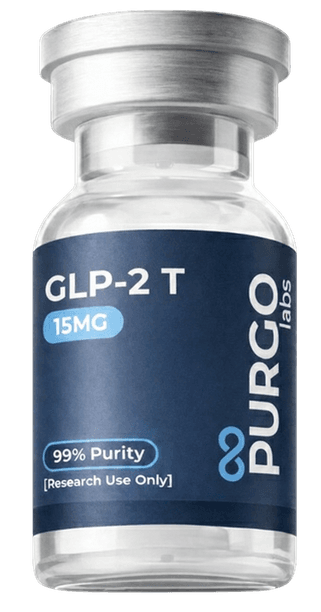
Acylated 39-amino-acid dual-pathway receptor agonist supplied for incretin and metabolic signaling research
Certificate of Analysis
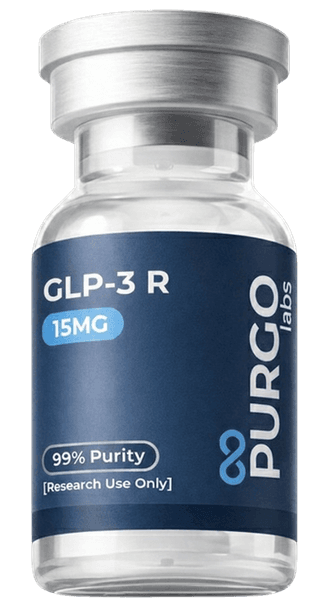
Acylated tri-pathway agonist peptide supplied for advanced metabolic and energy-balance signaling research
Certificate of Analysis
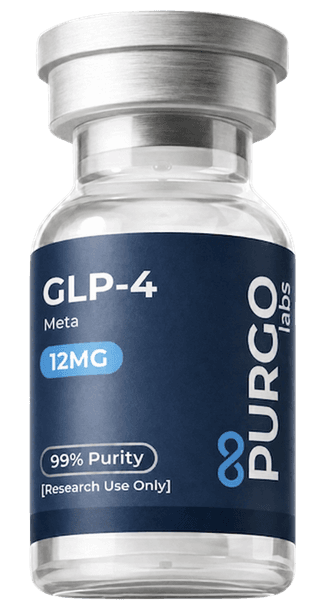
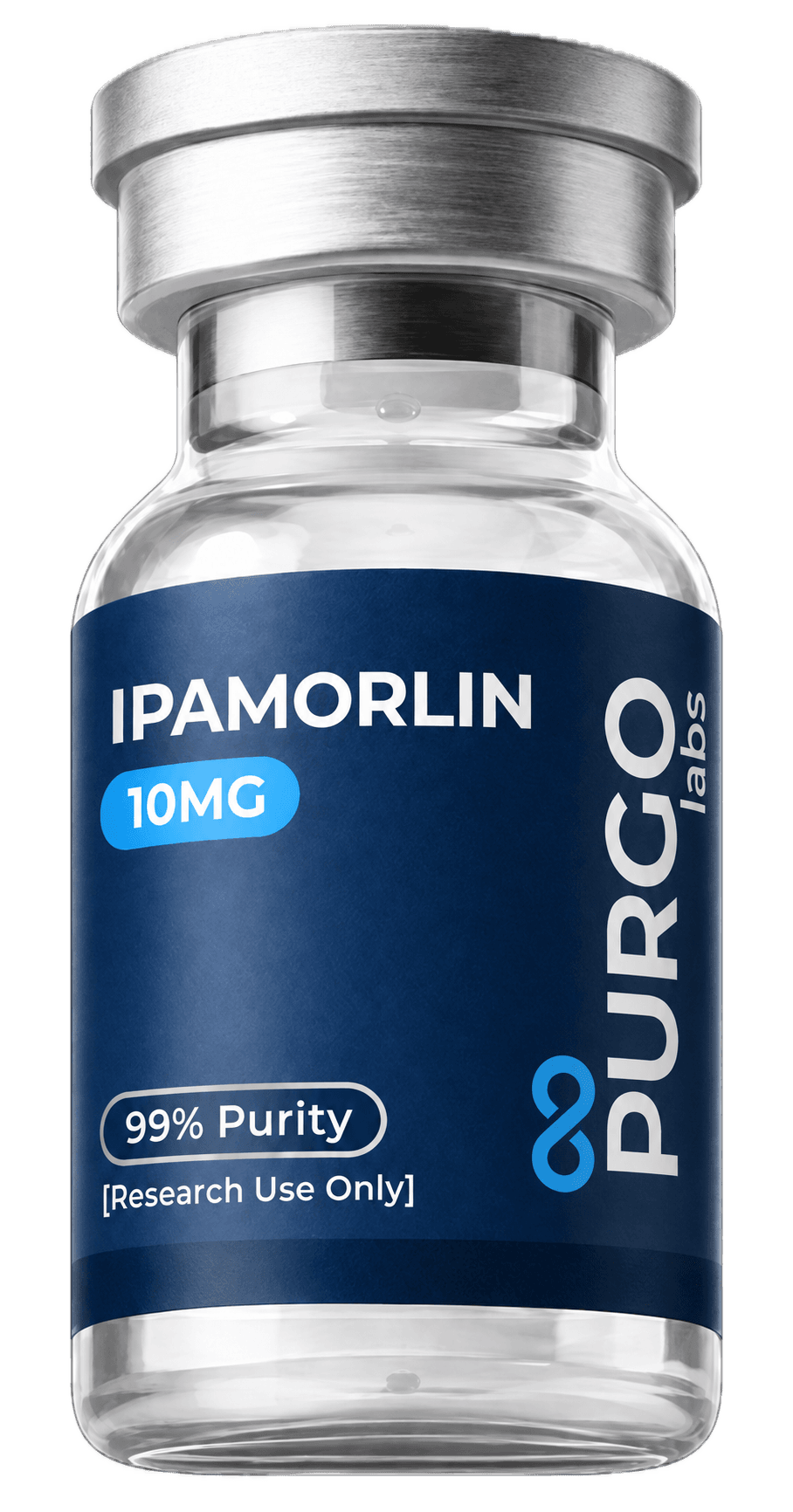
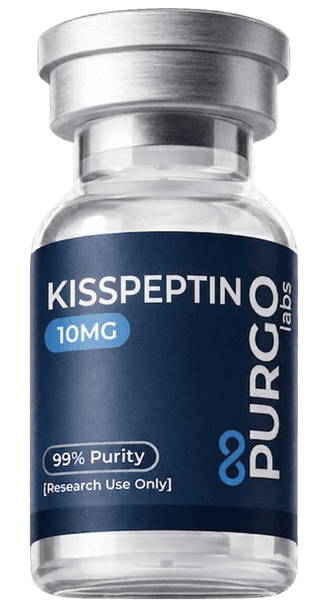
Kisspeptin-10 (10mg) lyophilized peptide in a 3ml vial for GnRH and hypothalamic signaling research
Certificate of Analysis
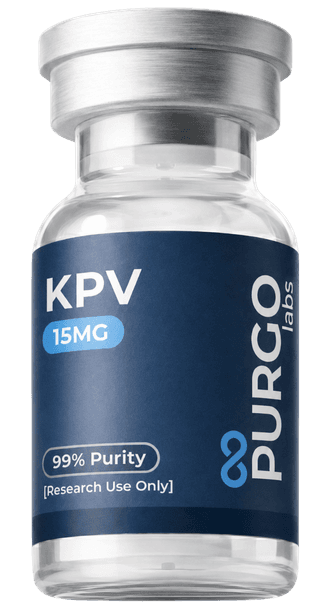
Lys-Pro-Val tripeptide (10mg) in a 3ml vial for immunomodulatory and inflammation-pathway research.
Certificate of Analysis
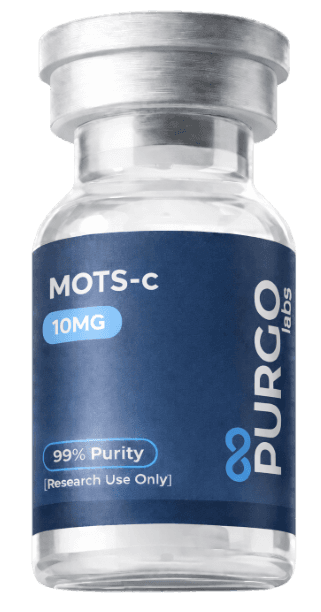
MOTS-c (Mitochondrial Open Reading Frame of 12S rRNA-c) is a small mitochondrial peptide that has been studied for its role in metabolic regulation and cellular signaling. Research suggests potential applications in metabolic health, aging, and cellular function studies.
Certificate of Analysis
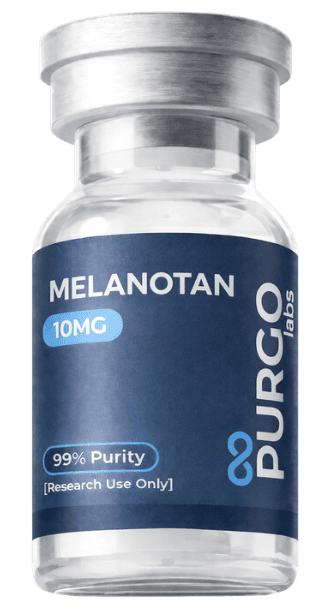
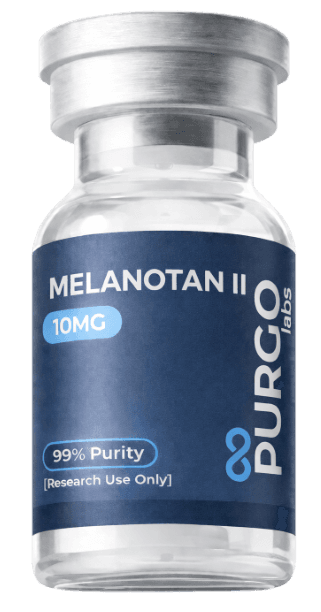
MT1 is a hormone produced by the pineal gland that regulates circadian rhythm and sleep-wake cycles. Extensively studied in sleep research, chronobiology, and circadian rhythm studies. High purity formulation suitable for laboratory research.
Certificate of Analysis
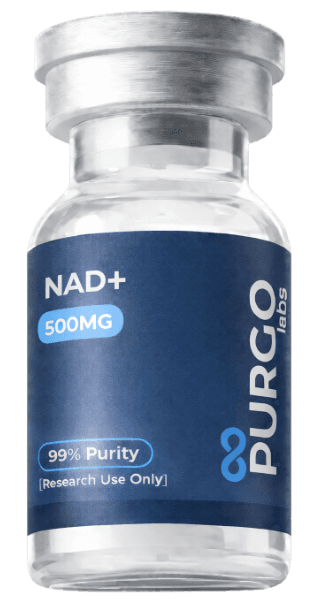
Nicotinamide Adenine Dinucleotide (1000mg) for cellular energy and metabolism research
Certificate of Analysis
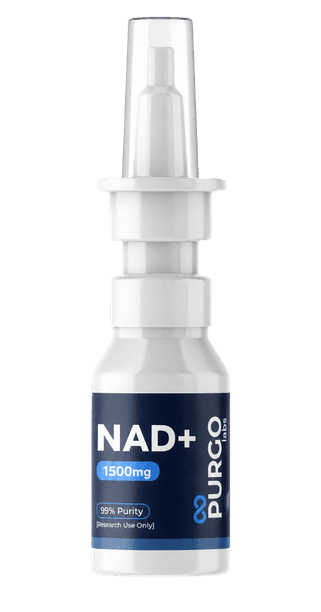
NAD+ research peptide spray solution, 1500mg. Ships in a spray bottle and does not require reconstitution.
Certificate of Analysis
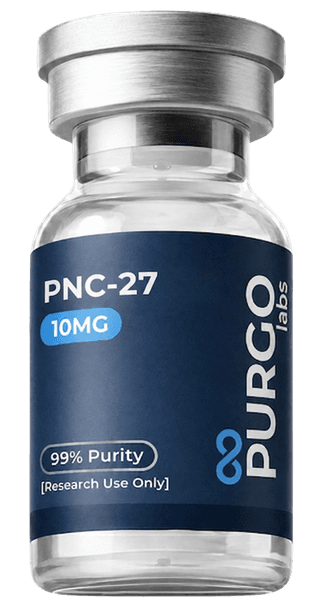
PNC-27 (10mg) lyophilized peptide in a 3ml vial for membrane and p53-related signaling research.
Certificate of Analysis
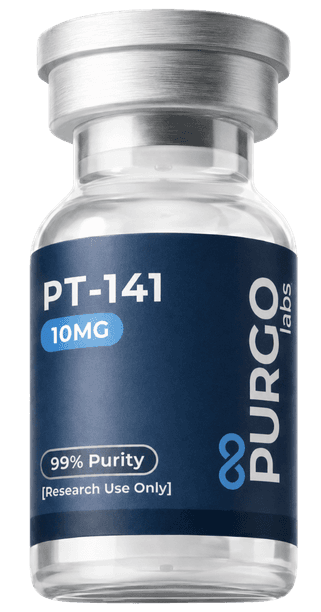
PT-141 peptide (10mg) in a 3ml vial for melanocortin-pathway and receptor signaling research.
Certificate of Analysis
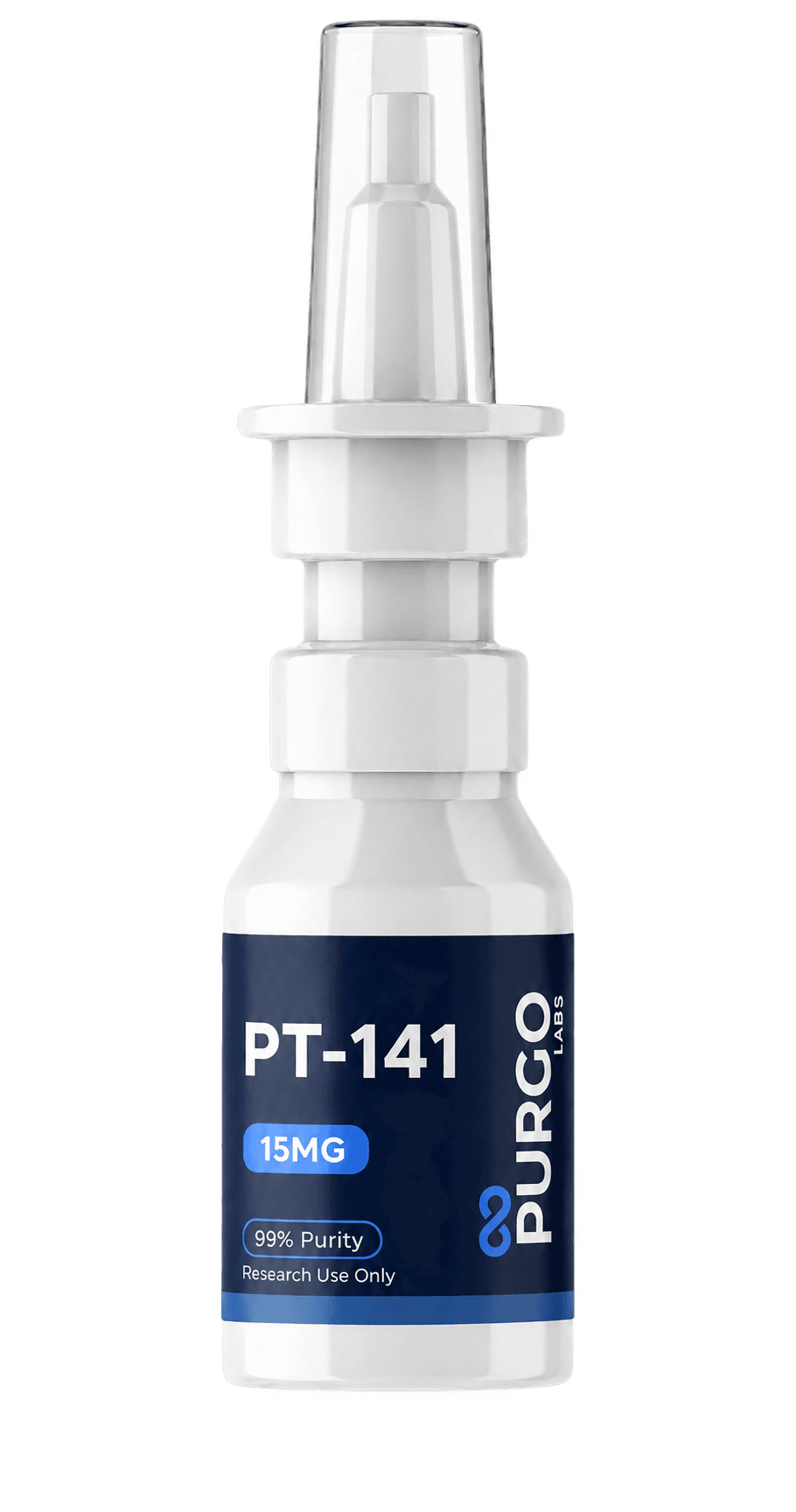
PT-141 peptide spray solution, 15mg. Ships in a spray bottle and does not require reconstitution.
Certificate of Analysis
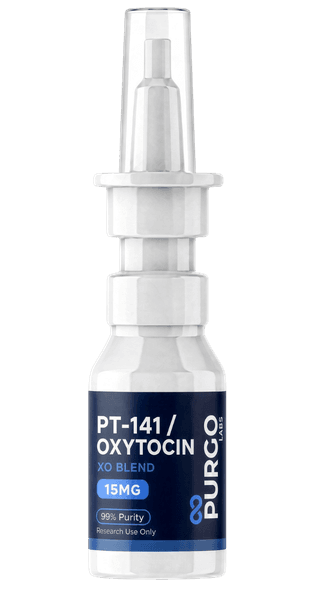
PT-141 (5mg) / Oxytocin (10mg) XO Blend peptide spray, 15mg total. 3mcg PT-141 and 7mcg Oxytocin per spray. Ships in a spray bottle and does not require reconstitution.
Certificate of Analysis
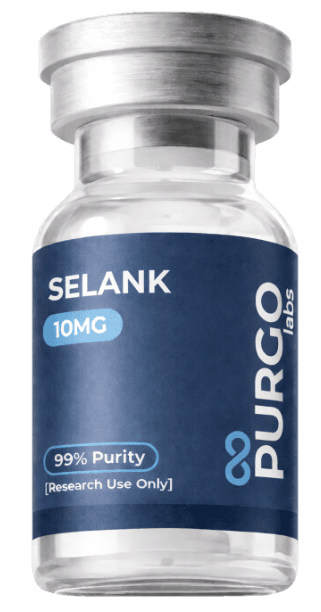
Heptapeptide (Thr-Lys-Pro-Arg-Pro-Gly-Pro) for anxiolytic and cognitive research
Certificate of Analysis
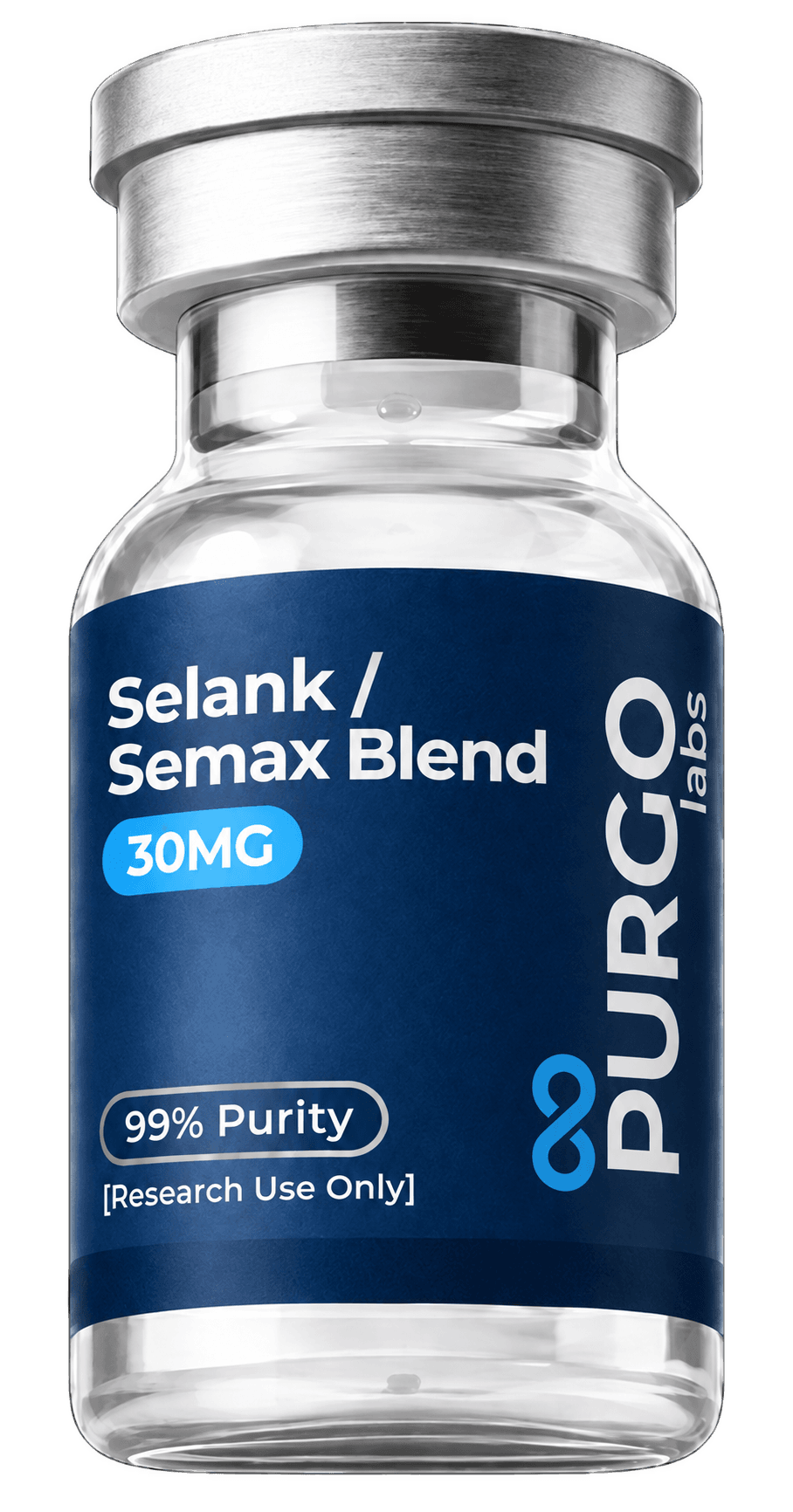
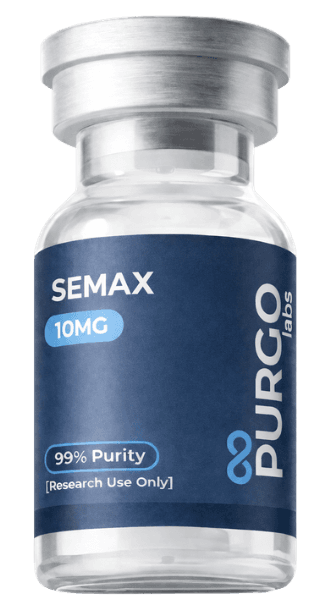
Heptapeptide (Met-Glu-His-Phe-Pro-Gly-Pro) for cognitive and neuroprotective research
Certificate of Analysis
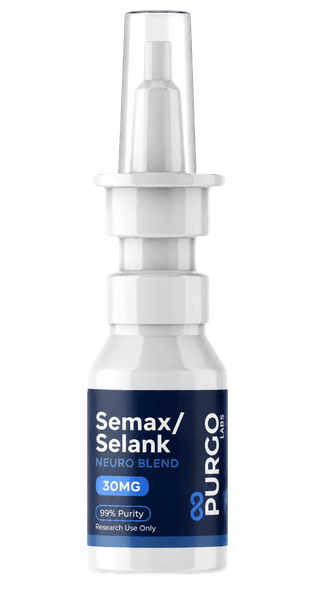
Semax/Selank/Pinealon neuro blend peptide spray solution, 30mg. Ships in a spray bottle and does not require reconstitution.
Certificate of Analysis
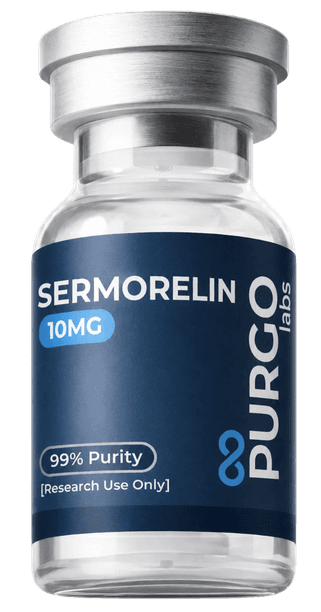
Sermorelin (10mg) lyophilized research peptide vial for laboratory growth-hormone secretagogue studies.
Certificate of Analysis
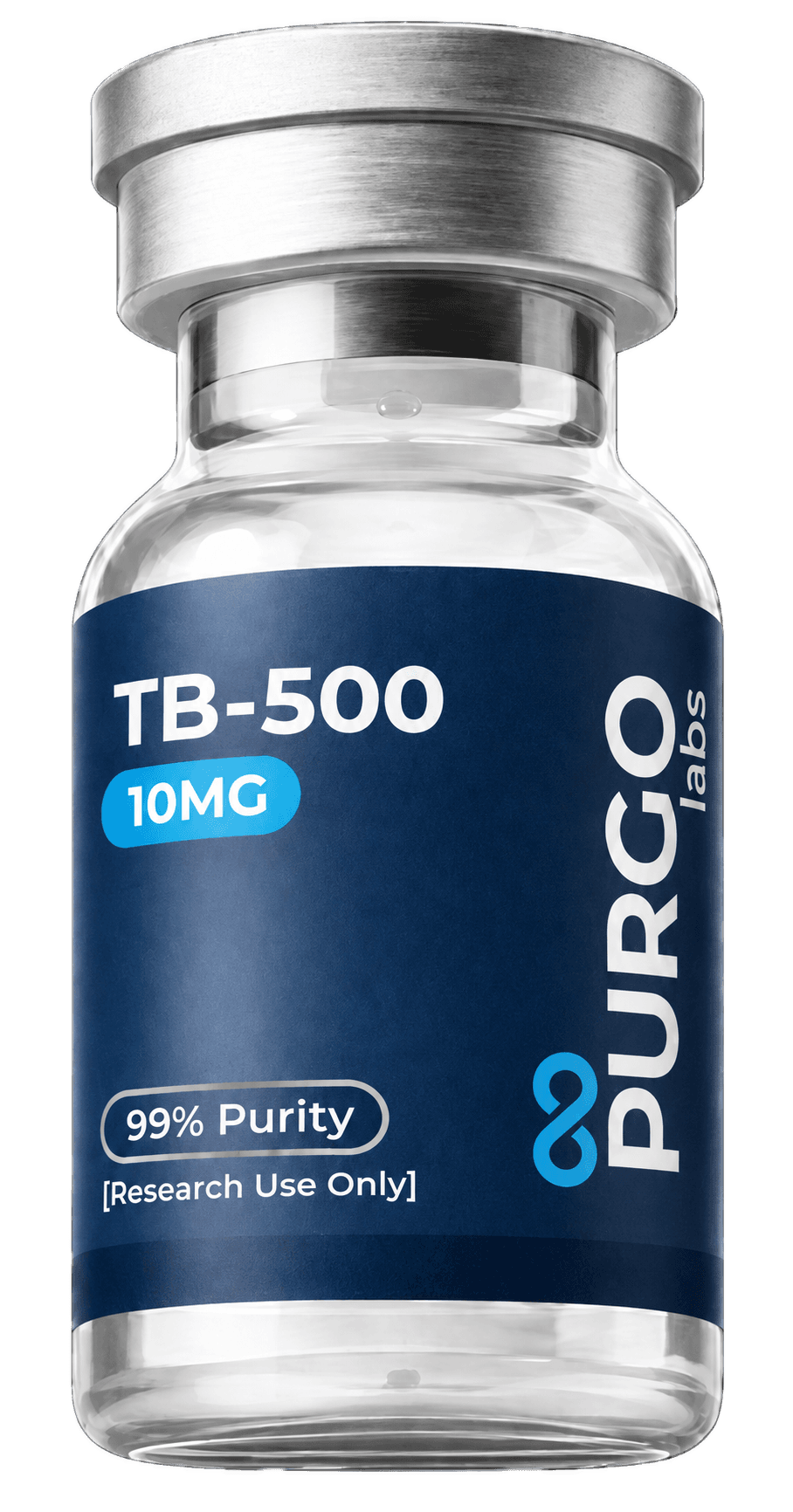
Synthetic peptide fragment for tissue remodeling and laboratory recovery-pathway research.
Certificate of Analysis
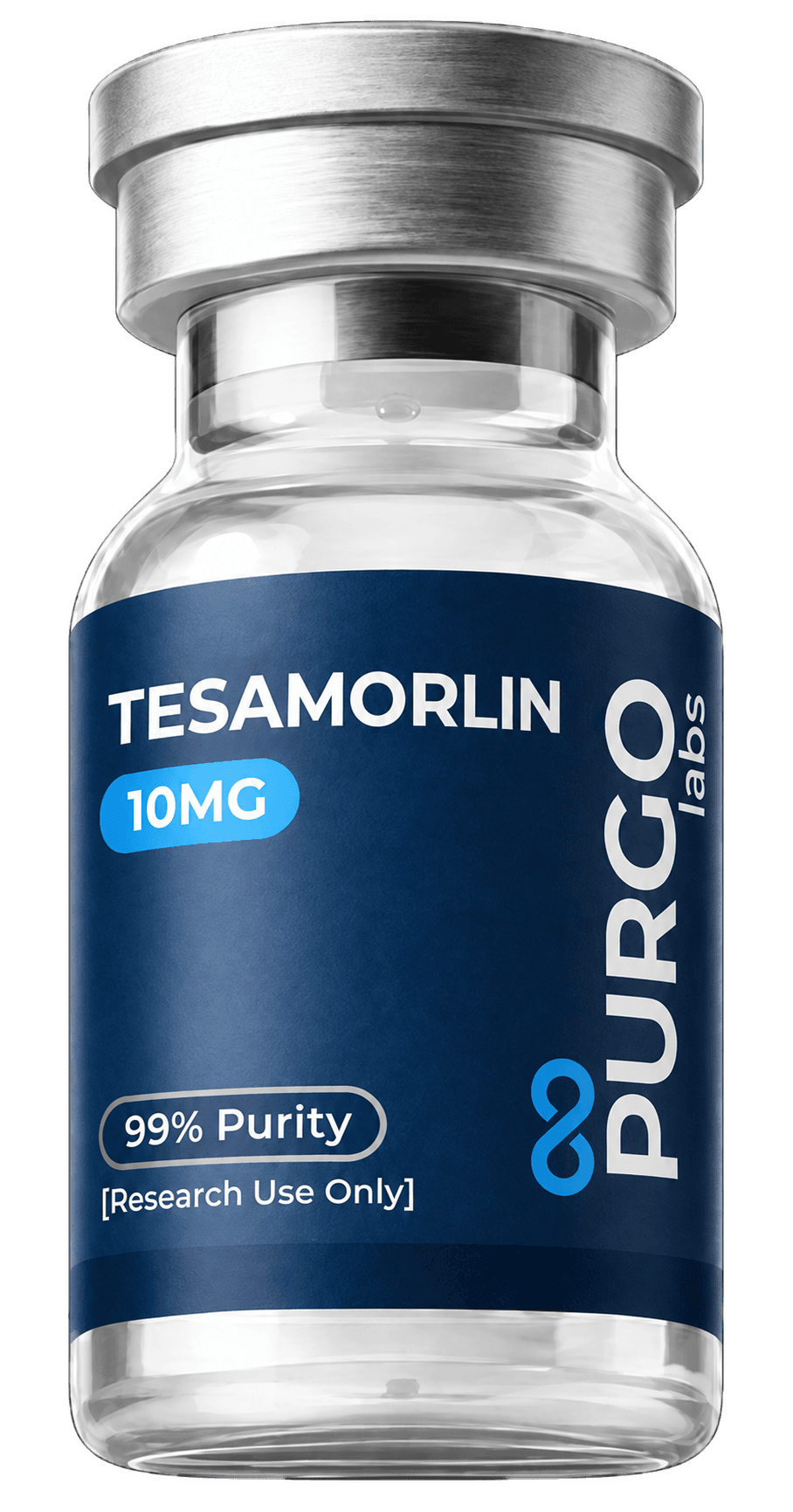
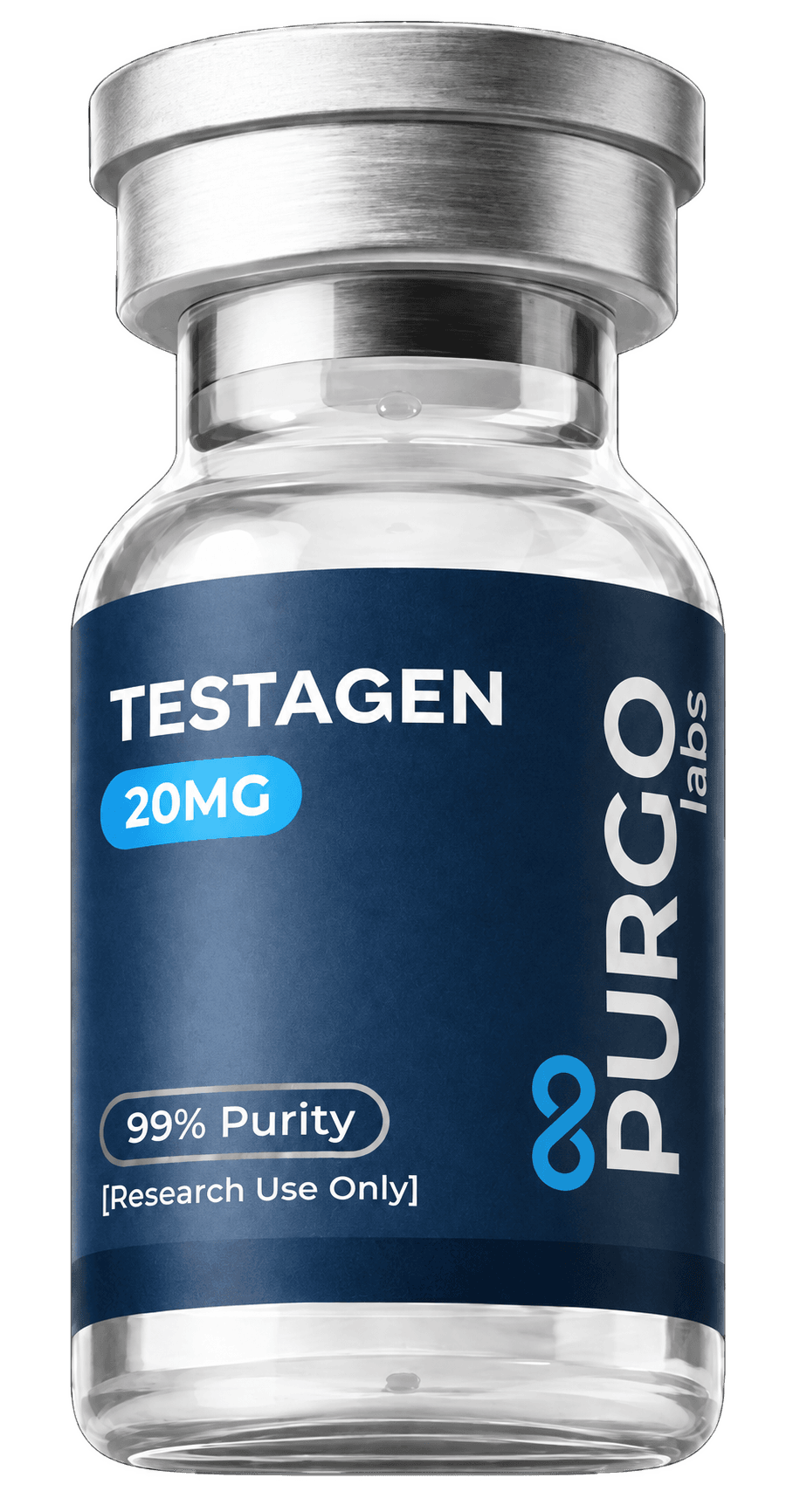
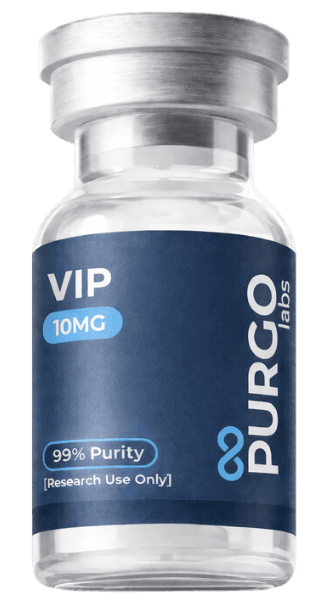
Vasoactive Intestinal Peptide (28-amino-acid) for neuroendocrine and vascular research
Certificate of Analysis
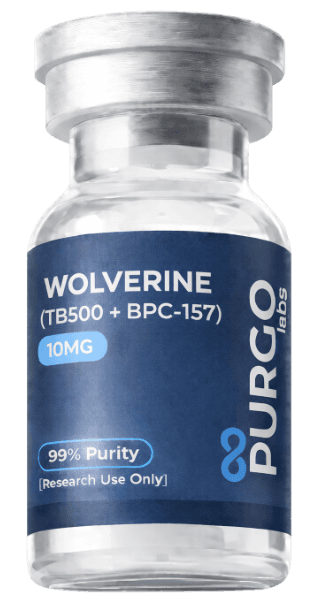
Dual peptide complex (TB-400 + BPC-157) for advanced tissue repair and recovery research
Certificate of Analysis
Reports Coming Soon
BPC-157 Strips
COA coming soon
Exana (GLP Spray)
COA coming soon
GHK-Cu + AHK-Cu Peptide Shampoo
COA coming soon
GHK-CU Copper Peptide Capsule Cream
COA coming soon
GHK-CU Lift Cream
COA coming soon
GHK-CU Lotion
COA coming soon
GHK-CU Moisturizer Balm with Beef Tallow
COA coming soon
GHK-CU Serum
COA coming soon
NAD+ Strips
COA coming soon
Organic GHK-CU Whipped TALLOW HONEY BALM Cream
COA coming soon
Purgo Labs Peptide Vial Storage Case
COA coming soon
Quality Assurance Process
Third-Party Testing
All products are tested by independent, accredited laboratories for purity, identity, and potency verification.
HPLC Analysis
High-performance liquid chromatography analysis ensures peptide purity meets or exceeds 99% purity standards.
Mass Spectrometry
Mass spectrometry confirms the correct molecular weight and sequence of each peptide batch.
A Certificate of Analysis (COA) is a comprehensive document that provides detailed information about the analytical testing performed on a specific product batch. This document serves as official verification of product quality, purity, and composition, enabling researchers to verify product specifications and maintain comprehensive research documentation.
How to Read a COA
Reading a Certificate of Analysis involves understanding various sections including product identification, analytical methods used, test results, and quality metrics. The COA typically includes batch number, production date, analytical test results, purity percentage, and verification signatures. Researchers should review all sections to ensure products meet their research requirements.
Understanding Purity Percentages
Purity percentages on COAs indicate the proportion of the target compound relative to total content. A purity of 99% or greater indicates that the product contains the target peptide with minimal impurities. Understanding purity percentages helps researchers assess product quality and suitability for specific research applications.
HPLC Analysis Explained
High-Performance Liquid Chromatography (HPLC) analysis separates and quantifies peptide components, providing detailed information about purity and composition. HPLC results on COAs show chromatograms and purity calculations, enabling researchers to verify product quality and identify any impurities or degradation products.
Mass Spectrometry Data
Mass spectrometry data on COAs confirms peptide identity and molecular weight. This analytical technique provides definitive verification that the product matches its expected structure and molecular composition. Mass spectrometry results ensure that products are correctly synthesized and free from structural modifications.
Quality Metrics
Quality metrics on COAs include purity percentage, molecular weight verification, and analytical method information. These metrics enable researchers to assess product quality and ensure that products meet their research requirements. Understanding quality metrics helps researchers make informed decisions about product selection and use.
Purgo Labs employs comprehensive testing methods to verify product quality, purity, and identity. Our testing protocols utilize multiple analytical techniques to ensure that every product meets our strict quality standards.
HPLC Methodology
High-Performance Liquid Chromatography (HPLC) is a primary analytical method used to verify peptide purity and identity. Our HPLC methodology involves separating peptide components using liquid chromatography, detecting components with UV or mass spectrometry detection, and quantifying purity percentages. This technique provides detailed information about peptide composition and identifies any impurities or degradation products.
Mass Spectrometry Protocols
Mass spectrometry protocols confirm peptide identity and molecular weight through precise molecular analysis. Our mass spectrometry methods involve ionizing peptide molecules, separating ions by mass-to-charge ratio, and detecting molecular weight. This technique provides definitive verification of peptide structure and composition.
Purity Verification
Purity verification involves multiple analytical techniques to ensure that products meet our strict purity standards. We utilize HPLC and mass spectrometry to verify purity percentages, identify impurities, and confirm product quality. Purity verification ensures that research results are not compromised by contaminants or degradation products.
Contaminant Testing
Contaminant testing identifies and quantifies any unwanted substances that may be present in products. Our testing protocols detect various contaminants including residual solvents, heavy metals, and microbial contaminants. Contaminant testing ensures that products are safe for research use and meet quality standards.
Batch Verification
Batch verification ensures that every production batch meets our quality standards before release. Our batch verification process includes comprehensive testing, quality control review, and documentation. Each batch is assigned a unique identifier and undergoes complete analytical testing to ensure consistency and quality.
Purgo Labs maintains strict quality standards and compliance with industry regulations to ensure that all products meet the highest standards for research use. Our quality assurance processes are designed to consistently deliver products that meet or exceed industry standards.
Industry Standards
We adhere to industry standards for research peptide production, testing, and documentation. Our quality standards align with best practices for analytical chemistry, peptide synthesis, and quality control. Compliance with industry standards ensures that products are suitable for research applications and meet researcher expectations.
Purity Requirements
Our purity requirements typically mandate 99% or greater purity for most products, as verified by HPLC and mass spectrometry analysis. These strict purity requirements ensure that research results are not compromised by impurities or contaminants. Purity requirements are verified through comprehensive analytical testing and documented in Certificates of Analysis.
Testing Protocols
Our testing protocols utilize multiple analytical techniques to verify product quality, purity, and identity. These protocols include HPLC analysis, mass spectrometry, and additional testing as required. Testing protocols are designed to provide comprehensive quality verification and ensure that products meet our strict standards.
Compliance Information
All Purgo Labs products comply with regulations for Research Use Only (RUO) materials. We maintain compliance with applicable laws and regulations governing research materials, quality control, and documentation. Compliance information is available upon request and documented in product materials.
Accessing lab reports and Certificates of Analysis is straightforward and designed to provide researchers with comprehensive product documentation. All reports are available for download directly from product pages.
Report Availability
Certificates of Analysis are available for all Purgo Labs products and can be accessed directly from product pages. Reports are provided in PDF format and include comprehensive analytical data, quality metrics, and batch information. Reports are updated for each production batch to ensure current documentation.
Download Instructions
Downloading lab reports is simple: navigate to the product page, locate the Certificate of Analysis section, and click the download button. Reports are provided as PDF documents that can be saved, printed, or shared as needed. Downloads are immediate and require no registration or login.
Report Interpretation
Interpreting lab reports involves understanding analytical data, quality metrics, and batch information. Reports include sections for product identification, analytical methods, test results, and quality verification. Researchers should review all sections to ensure products meet their research requirements and quality standards.
Requesting Additional Data
Researchers can request additional analytical data or documentation for specific research needs. Contact our support team to discuss requirements for additional testing, documentation, or batch-specific information. We're committed to supporting research with comprehensive product information and documentation.
What information is included in a Certificate of Analysis?
Certificates of Analysis include product identification, batch number, analytical test results, purity percentage, molecular weight verification, and quality metrics. Reports document all analytical testing performed and provide comprehensive quality information for research documentation.
How often are lab reports updated?
Lab reports are updated for each production batch to ensure that researchers receive current analytical data for the specific product they receive. Each batch undergoes comprehensive testing and receives a unique Certificate of Analysis documenting batch-specific quality metrics.
Can I request additional testing or documentation?
Yes, researchers can request additional analytical data, testing, or documentation for specific research needs. Contact our support team to discuss requirements for additional testing, documentation, or batch-specific information. We're committed to supporting research with comprehensive product information.
What analytical methods are used for testing?
Our testing utilizes High-Performance Liquid Chromatography (HPLC) for purity verification and mass spectrometry for identity confirmation. These complementary analytical techniques provide comprehensive quality verification and ensure that products meet our strict quality standards.
How do I verify the authenticity of a COA?
Certificates of Analysis include batch numbers, production dates, and verification signatures that enable authenticity verification. Researchers can cross-reference batch numbers with product labels and contact support to verify COA authenticity if needed.
Questions about our lab reports or quality standards?
Contact Us